How to Choose the Best HVAC Filter for Your Home
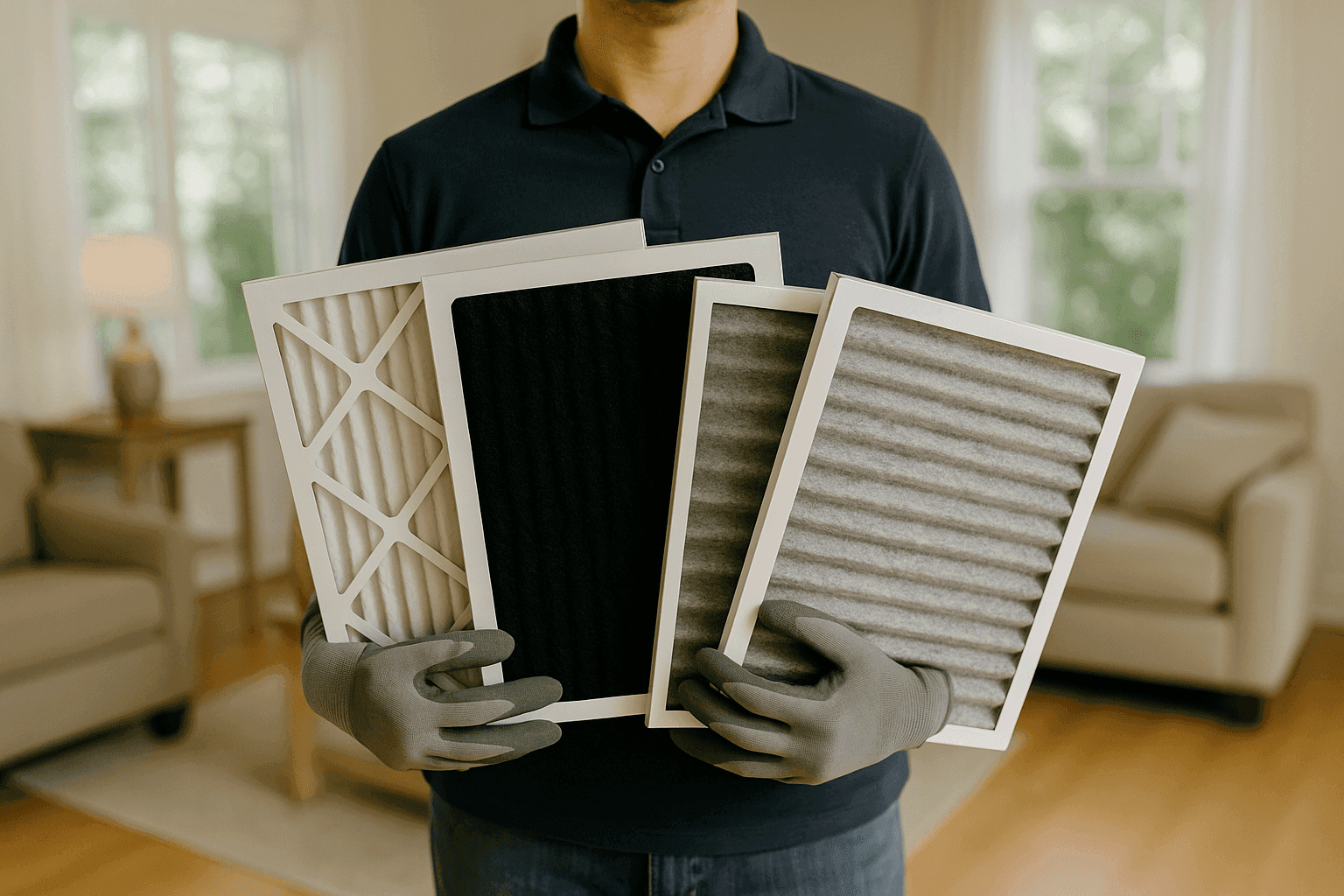
When the air in your home feels heavy, dusty, or just “off,” it’s easy to worry. Maybe you’ve noticed your allergies flaring up, or your HVAC system seems to be working harder than usual. The culprit? Often, it’s the humble HVAC filter—an unsung hero that quietly keeps your air clean and your system healthy.
At Howell Heating & Air, we know that choosing the right filter isn’t just about grabbing the first one off the shelf. It’s about protecting your family’s lungs, your equipment, and even your wallet. Let’s break down how to pick the best HVAC filter for your home or small business—so you can breathe easier, all year long.
Why Your HVAC Filter Matters
Think of your HVAC filter as the goalie for your indoor air. It blocks dust, pollen, pet hair, and even microscopic troublemakers like mold spores. A good filter can mean the difference between crisp, fresh air and a sneeze-filled season.
But there’s more at stake. Clogged or cheap filters force your HVAC system to work overtime. That means higher energy bills, more repairs, and a shorter system lifespan. In emergency hvac situations—like a furnace breakdown in the dead of winter—a neglected filter can make a bad day much worse.
Common Types of HVAC Filters 🏠
Not all filters are created equal. Here’s a quick rundown of the most common types you’ll find:
Fiberglass Filters
- Pros: Cheap, disposable, easy to find.
- Cons: Only catch large particles (think dust and lint). Not great for allergies or fine particles.
Pleated Filters
- Pros: Made from folded fabric or paper. Trap smaller particles like pollen and mold. Affordable and widely available.
- Cons: Need to be changed more often if you have pets or allergies.
HEPA Filters
- Pros: Capture up to 99.97% of particles as small as 0.3 microns, according to the U.S. Environmental Protection Agency (EPA). Ideal for allergy and asthma sufferers.
- Cons: May require special HVAC systems. Can restrict airflow if not compatible.
Electrostatic Filters
- Pros: Use static electricity to attract particles. Washable versions available.
- Cons: Effectiveness varies. Some reusable types need regular cleaning.
What to Look For: Key Factors
MERV Ratings
The Minimum Efficiency Reporting Value (MERV) tells you how well a filter traps particles. The higher the MERV, the finer the filtration. Here’s a quick guide:
- MERV 1–4: Basic dust blocking. Good for window AC units.
- MERV 5–8: Standard for most homes. Catches dust, pollen, and mold.
- MERV 9–12: Better for allergy sufferers or homes with pets.
- MERV 13–16: Hospital-grade. Great for those with asthma or severe allergies.
Tip: Most residential systems work best with MERV 8–12. Too high, and you might restrict airflow.
Allergy & Asthma Needs
If you or your family have allergies, go for a pleated or HEPA filter with a higher MERV rating. Look for filters labeled “asthma & allergy friendly” by independent organizations.
Energy Efficiency
A clogged filter is like running with a sock in your mouth. It makes your HVAC system strain, using more energy and risking breakdowns. Change your filter regularly to keep your system efficient.
Special Considerations
- Pets: More fur means more frequent filter changes.
- Renovations: Dust from construction can clog filters fast.
- Smoking: Increases the need for better filtration and more frequent changes.
Quick Safety Checklist
- Turn off your HVAC system before replacing the filter.
- Check that the new filter matches your system’s size and MERV rating.
- Install the filter with the airflow arrow pointing toward the blower.
- Never run your system without a filter.
- Dispose of old filters in a sealed bag if you’re concerned about allergens.
DIY vs. Call a Pro
Changing a filter is usually a DIY job. But if you’re unsure about size, type, or installation, or if your system needs a specialty filter, it’s smart to call Howell Heating & Air.
DIY is best when:
- You know your filter size and type.
- You’re comfortable accessing your HVAC unit.
Call a pro if:
- You’re installing a HEPA or electrostatic filter for the first time.
- You’re not sure what your system needs.
- You notice persistent dust, odors, or allergy symptoms.
What Pros Do On Arrival
When you call Howell Heating & Air for filter help, here’s what you can expect:
- Inspect your system for proper filter fit and compatibility.
- Check airflow and look for signs of duct leaks.
- Recommend the best filter type for your needs and lifestyle.
- Replace the filter, ensuring a snug fit and proper orientation.
- Offer advice on filter maintenance and replacement schedules.
Prevention & Maintenance
A simple filter swap can save you from costly repairs down the road. Here’s how to stay ahead:
- Check your filter every month. Hold it up to the light—if you can’t see through it, it’s time for a change.
- Replace every 1–3 months. More often if you have pets, allergies, or lots of dust.
- Mark your calendar or set a phone reminder for filter changes.
- Schedule seasonal HVAC maintenance—especially before heavy heating or cooling seasons.
According to the American Society of Heating, Refrigerating and Air-Conditioning Engineers (ASHRAE), regular filter changes are crucial for system efficiency and indoor air quality.
Costs & Time Factors
- Filter prices: Range from a few dollars for fiberglass to $30+ for HEPA or specialty filters.
- Time to replace: Usually less than 10 minutes for most systems.
- Professional service: May cost more, but includes inspection and expert advice.
Remember, investing in a quality filter and regular changes can reduce energy bills and extend your HVAC system’s life.
When It’s an Emergency
If your HVAC system suddenly stops working, or if you notice burning smells, poor airflow, or rapidly worsening air quality, it could be a clogged filter causing an emergency hvac situation. In extreme temperatures, don’t wait—call Howell Heating & Air right away.
During high pollen seasons or cold snaps, filters can clog faster. Always keep a spare on hand for quick swaps when the air gets thick or your system starts to struggle.
FAQ
How do I know which filter size I need?
Check the old filter’s frame—it should list dimensions (like 16x25x1). If not, measure the slot in your HVAC unit.
Are expensive filters always better?
Not always. The best filter is the one that matches your system’s specs and your air quality needs. Too high a MERV rating can actually reduce airflow and strain your system.
How often should I replace my filter?
Most homes: every 1–3 months. More often if you have pets, allergies, or during heavy use seasons.
Can I run my HVAC without a filter in an emergency?
Never run your system without a filter. Even short periods can allow dust and debris into your equipment, risking damage and poor air quality.
Special Considerations for This Service
- Geothermal, radiant heating, and mini-split systems may have unique filter needs. Always check your owner’s manual or ask a pro.
- Businesses with high foot traffic or sensitive equipment may need higher-grade filters or more frequent changes.
- Indoor air quality (IAQ) testing can help pinpoint specific filtration needs, especially if you notice persistent odors or health symptoms.
- Emergency hvac calls often reveal neglected filters as the root cause—don’t let a $10 filter lead to a costly repair.
Call Howell Heating & Air now — or reach us anytime at 888-969-4966 .