How to Extend the Lifespan of Your HVAC System: Expert Maintenance Tips
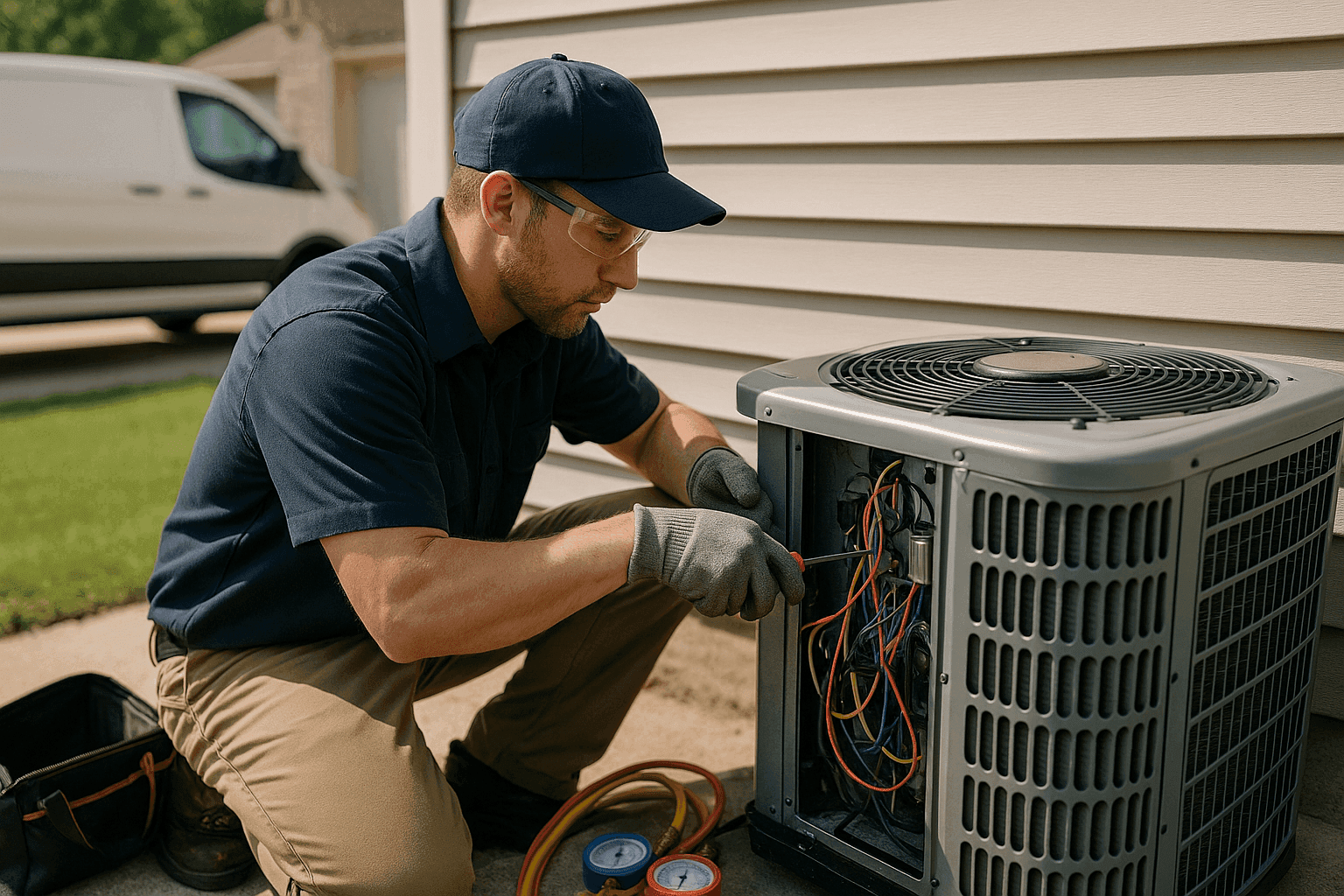
When your HVAC system is running smoothly, life feels comfortable and predictable. But when it breaks down—especially during a heatwave or cold snap—everything stops. At Howell Heating & Air, we know that a well-maintained system is the backbone of your comfort and safety.
Most heating and cooling emergencies can be prevented. With a little know-how and regular care, you can keep your system humming along, avoid surprise breakdowns, and even lower your energy bills. Let’s walk through the steps that make the biggest difference.
Why Regular HVAC Maintenance Matters 🛠️
Think of your HVAC system like a car. If you skip oil changes, ignore weird noises, or never check the tires, you’ll end up stranded when you least expect it. Your heating and cooling equipment needs the same kind of attention.
Benefits of regular HVAC maintenance:
- Fewer emergencies: Catch small problems before they grow into major repairs.
- Lower costs: Well-maintained systems use less energy, saving money over time.
- Longer lifespan: Just like a car, regular care keeps your HVAC running for years.
- Better comfort: Consistent temperatures and cleaner air, all year long.
- Improved air quality: Clean filters and ducts mean less dust, pollen, and allergens indoors.
According to the U.S. Department of Energy, proper HVAC maintenance can reduce energy use by up to 15%. That’s real savings you’ll notice on your utility bills.
Seasonal Maintenance Tasks
Each season brings its own set of challenges for your HVAC system. Staying ahead of the weather is the best way to keep your heating and cooling reliable.
Spring
- Replace or clean air filters.
- Clear leaves and debris from around outdoor units.
- Inspect ductwork for leaks or loose connections.
- Test your thermostat for accuracy.
- Schedule a professional AC tune-up before the first heat wave.
Summer
- Check refrigerant levels (best left to a pro).
- Make sure the condensate drain isn’t clogged.
- Listen for unusual noises or vibrations.
- Use ceiling fans to help distribute cool air.
- Keep vents and registers clear of furniture or rugs.
Fall
- Replace filters again—dust builds up fast.
- Inspect and clean furnace burners.
- Test carbon monoxide detectors.
- Schedule a furnace inspection before you need it.
- Check insulation around ducts and pipes.
Winter
- Keep outdoor vents clear of snow and ice.
- Set your thermostat to a steady, comfortable temperature.
- Monitor for short cycling or frequent on/off patterns.
- Change filters if you notice more dust or allergies.
- Have emergency HVAC contacts handy—just in case.
DIY vs. Professional HVAC Maintenance
Some HVAC care is easy to do yourself. Other tasks are best left to certified technicians. Knowing the difference protects your system and your safety.
DIY Maintenance
- Changing air filters every 1–3 months.
- Keeping vents and outdoor units free of debris.
- Checking thermostat batteries and settings.
- Gently vacuuming vent covers and registers.
- Monitoring for odd sounds or smells.
When to Call Howell Heating & Air
- Annual inspections and tune-ups.
- Refrigerant checks or recharges.
- Duct cleaning and sealing.
- Electrical or wiring issues.
- Generator installation or maintenance.
- IAQ (indoor air quality) testing and solutions.
- Complex thermostat calibration or upgrades.
Trying to repair electrical or refrigerant components on your own can be risky—and may even void manufacturer warranties. Professional technicians follow safety codes from organizations like the National Fire Protection Association (NFPA) and the Air Conditioning Contractors of America (ACCA).
Signs Your HVAC Needs Immediate Attention 🚨
Sometimes, trouble sneaks up fast. Acting quickly can prevent a small issue from turning into a full-blown emergency.
Watch for these warning signs:
- Unusual noises: banging, screeching, or rattling.
- Burning or musty odors from vents.
- Weak airflow or hot/cold spots.
- System won’t turn on or keeps shutting off.
- Thermostat doesn’t respond or displays errors.
- Water pooling around the unit or from condensate lines.
- Sudden spike in utility bills.
If you notice any of these, call for emergency HVAC service right away. Quick action can protect your equipment and your safety.
Tips for Choosing Reliable HVAC Service Providers
Your HVAC system is a major investment. When you need help, you want a team you can count on—especially in an emergency.
Look for these qualities in a service provider:
- Licensed and insured technicians.
- 24/7 emergency HVAC support.
- Up-to-date training and certifications.
- Clear communication and transparent pricing.
- Positive reviews from homeowners and business owners.
- Commitment to safety and industry best practices.
A good HVAC partner doesn’t just fix problems—they help you prevent them. Howell Heating & Air is always ready to answer questions, provide honest advice, and respond when you need us most.
Pro Tips for Maximizing HVAC Lifespan
A few small habits can make a big difference. Here’s what our technicians recommend:
- Change filters regularly. Dirty filters strain your system and reduce air quality. Set a reminder to check them monthly.
- Schedule annual tune-ups. Preventative care catches issues early and keeps your warranty valid.
- Keep ducts clean. Dust, mold, and debris can build up fast. Professional duct cleaning improves airflow and health.
- Calibrate your thermostat. A well-set thermostat prevents unnecessary cycling and keeps temperatures steady.
- Don’t forget your generator. If you rely on backup power, regular generator maintenance is a must.
- Seal leaks. Even small gaps in ductwork or windows can waste energy and overwork your system.
- Test indoor air quality. Poor air can trigger allergies and make your system work harder.
Frequently Asked Questions
How often should I change my HVAC filters?
Most homes and businesses should change filters every 1–3 months. If you have pets, allergies, or run your system often, check more frequently.
Is duct cleaning really necessary?
Yes, especially if you notice dust, mold, or musty odors. The EPA recommends duct cleaning if there’s visible mold, pests, or excessive dust buildup.
Can I handle all maintenance myself?
Some tasks—like filter changes and keeping vents clear—are easy DIY jobs. But for inspections, repairs, and anything involving electricity or refrigerant, call a professional.
What’s the average lifespan of an HVAC system?
With regular maintenance, most systems last 10–15 years. Skipping care can cut that lifespan in half.
Special Considerations for Homeowners and Small Businesses
If you own a business or manage a property, HVAC downtime can mean lost revenue and unhappy tenants or customers. Preventative maintenance is even more critical—schedule regular checks and keep records for warranty and insurance purposes.
For homes, pay attention to indoor air quality. Kids, seniors, and those with allergies are more sensitive to dust, pollen, and mold. Consider adding air scrubbers, humidifiers, or dehumidifiers for extra comfort.
Energy audits can also help identify leaks, insulation gaps, or equipment upgrades that pay off in the long run. Howell Heating & Air offers a full range of services to keep your system at its best, from mini-splits and radiant heating to whole-house fans and sheet metal solutions.
Taking care of your HVAC system is one of the smartest investments you can make in your comfort, safety, and wallet. Don’t wait for a breakdown—take action today.
Call Howell Heating & Air now — or reach us anytime at 888-969-4966 .