How to Improve Indoor Air Quality Year-Round
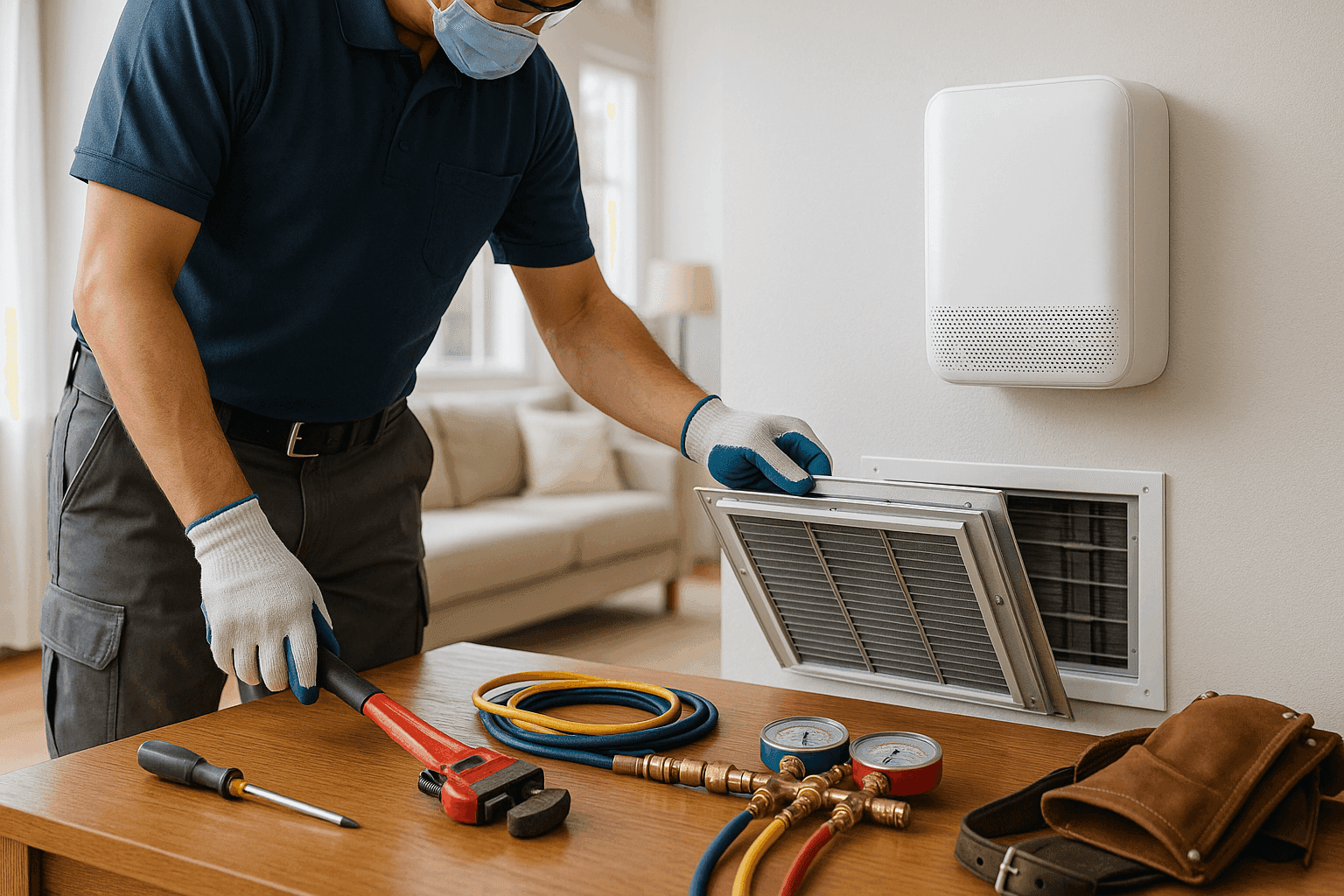
Are you tired of sneezing, coughing, or feeling stuffy indoors? You’re not alone. Poor indoor air quality can sneak up on any home or business, no matter how clean things look on the surface. At Howell Heating & Air, we know what it’s like to walk into a room and instantly sense the air just isn’t right.
Indoor air quality (IAQ) isn’t just about comfort—it’s about your health, your energy, and your peace of mind. The good news? There are straightforward steps you can take to make your indoor air fresher, cleaner, and healthier, all year long.
Understanding Common Indoor Air Pollutants
Think of your indoor air like a busy highway. There are all kinds of things moving around—some helpful, some not so much. Here are some of the usual suspects:
- Dust and pet dander: Tiny, invisible troublemakers that settle on surfaces and float through the air.
- Pollen: Blows in on breezes, shoes, and clothing, especially in spring and summer.
- Mold spores: Thrive in damp areas like bathrooms, basements, and around leaky pipes.
- Volatile organic compounds (VOCs): Released by cleaning products, paints, and even some furniture.
- Smoke and cooking fumes: Linger in the air, especially without good ventilation.
- Bacteria and viruses: Hitch a ride on dust particles or droplets.
According to the Environmental Protection Agency (EPA), indoor air can be two to five times more polluted than outdoor air. Over time, breathing these pollutants can lead to headaches, allergies, fatigue, or even worsen asthma and other respiratory issues.
Seasonal Challenges: Air Quality Through the Year 🍃
Every season brings its own air quality hurdles. It’s a bit like weather—always changing, always something to watch for.
Spring and Summer:
- Pollen counts soar, making allergies worse.
- Humidity rises, creating a playground for mold and dust mites.
- Open windows can let in fresh air, but also outdoor pollutants.
Fall:
- Leaves and outdoor debris get tracked inside.
- Heating systems kick on, stirring up dust that’s settled over summer.
Winter:
- Homes are sealed tight to keep out the cold, trapping pollutants inside.
- Air gets dry, irritating skin and sinuses.
- More time indoors means more exposure to indoor pollutants.
Understanding these patterns helps you stay one step ahead—so you can breathe easier, no matter the month.
Quick Safety Checklist for Better Indoor Air
Before you dive into solutions, run through this quick checklist. It’s a fast way to spot issues that might be affecting your air quality:
- Change HVAC filters every 1–3 months.
- Check for visible mold or musty smells, especially in damp areas.
- Run bathroom and kitchen exhaust fans when cooking or showering.
- Keep vents and registers clear of dust and furniture.
- Test carbon monoxide and smoke detectors regularly.
- Watch for signs of excess humidity (condensation on windows, damp spots).
- Look for dust buildup on surfaces, especially near vents.
If you notice more than one or two trouble spots, it’s time to take action.
DIY vs. Call a Pro: What You Can Tackle Yourself
Some air quality fixes are as simple as swapping out a filter or opening a window. Others need a trained eye and specialized tools. Here’s how to know the difference:
DIY Steps
- Replace air filters: Use high-quality pleated or HEPA filters if your system allows.
- Vacuum and dust regularly: Focus on carpets, upholstery, and drapes.
- Control humidity: Use portable humidifiers or dehumidifiers as needed.
- Ventilate: Open windows when outdoor air quality is good.
- Wipe down vents and returns: Keeps dust from circulating.
When to Call Howell Heating & Air
- Persistent odors or visible mold: These can signal hidden leaks or bigger problems.
- Unexplained allergy symptoms: If symptoms linger, your HVAC system or ducts may be to blame.
- Noisy or underperforming HVAC: Could mean dirty coils, clogged filters, or failing components.
- Duct cleaning and deep system maintenance: Professionals have the right equipment and know-how.
- IAQ testing: For peace of mind or if you suspect something serious (like carbon monoxide).
If you’re ever in doubt, especially when air quality issues come on suddenly, don’t wait. Emergency hvac service is available 24/7 for urgent concerns.
What Pros Do On Arrival
When a Howell Heating & Air technician arrives, they bring more than just a toolbox. They bring years of experience and a methodical approach to solving air quality challenges.
Here’s what you can expect:
- Assessment: Technicians inspect your HVAC system, filters, and ductwork for blockages, leaks, or buildup.
- IAQ Testing: Using industry-standard meters and sensors, they check for carbon monoxide, humidity, VOCs, and particulate matter.
- Filter and system recommendations: Based on your needs, they suggest the right filters—MERV 8, 11, or even HEPA—depending on your system.
- Duct cleaning: Powerful vacuums and brushes remove years of dust, dander, and debris.
- Ventilation check: They make sure your home or business is getting enough fresh air without sacrificing efficiency.
- Solutions for unique needs: From air scrubbers to UV lights, humidifiers to dehumidifiers, technicians tailor solutions to your space and lifestyle.
All work follows guidelines from organizations like the American Society of Heating, Refrigerating and Air-Conditioning Engineers (ASHRAE) and the EPA.
Prevention & Maintenance: Keeping Air Fresh Year-Round 🔄
Keeping your air clean isn’t a one-and-done job. It’s more like tending a garden—it takes regular care to keep things healthy.
Routine Actions
- Change filters: Mark your calendar for every 1–3 months, or more often if you have pets or allergies.
- Schedule seasonal HVAC maintenance: A pro tune-up in spring and fall keeps things running smoothly.
- Clean ducts every few years: Especially after renovations, pest issues, or if you notice dust buildup.
- Monitor humidity: Aim for 30–50% relative humidity to discourage mold and dust mites.
- Keep vents clear: Don’t block airflow with furniture or clutter.
Tools That Help
- Air scrubbers and purifiers: These devices pull particles and even germs out of the air.
- Humidifiers and dehumidifiers: Balance the moisture level for comfort and health.
- Whole-house fans: Move stale air out and bring fresh air in.
- Smart thermostats: Help you track temperature and humidity, adjusting automatically.
A little prevention goes a long way. It keeps your air cleaner and your HVAC system running longer.
Costs & Time Factors: What to Expect
Improving indoor air quality doesn’t have to break the bank or take all day. Here’s what most people can expect:
- Filter replacement: Inexpensive and takes just minutes.
- Duct cleaning: Usually a few hours, with costs varying based on home or business size and duct complexity.
- IAQ testing: Quick (often under an hour), with results that guide your next steps.
- System upgrades (like air scrubbers or humidifiers): Installation can take a few hours to a day, depending on your setup.
Routine maintenance is usually budget-friendly, especially compared to the costs of ignored problems—like mold remediation or emergency hvac repairs.
When It’s an Emergency
Sometimes, poor indoor air quality isn’t just uncomfortable—it’s urgent. Here are signs you need emergency hvac help right away:
- Sudden, strong odors: Especially burning, chemical, or musty smells.
- Carbon monoxide alarms: Never ignore these—leave the building and call for help.
- HVAC system failure during extreme weather: Can lead to unsafe temperatures or humidity.
- Rapidly worsening allergy or asthma symptoms: Could signal a serious contaminant or system failure.
Howell Heating & Air is available 24/7 for emergencies. If you sense danger or can’t breathe easily, call us—day or night.
Frequently Asked Questions
How often should I change my HVAC filter?
Most homes and businesses should change their filters every 1–3 months. If you have pets, allergies, or run your system often, check them monthly.
Is duct cleaning really necessary?
Duct cleaning isn’t needed every year, but it’s important if you notice dust buildup, musty smells, or after renovations. The National Air Duct Cleaners Association (NADCA) recommends cleaning every 3–5 years, or sooner if there are specific issues.
What’s the best filter for allergies?
High-efficiency filters (MERV 11 or higher) or HEPA filters capture more allergens. Not all systems can handle HEPA filters, so check with a technician before upgrading.
Can plants help improve indoor air quality?
Some houseplants can absorb small amounts of VOCs, but they’re not a substitute for proper ventilation, filtration, and maintenance.
Special Considerations for This Service
Every home and business is unique. Open-concept offices, older buildings, and spaces with lots of foot traffic may need more frequent maintenance or specialized solutions. If you have sensitive electronics, delicate inventory, or medical needs, ask your technician about tailored options like air scrubbers, advanced filtration, or humidity control.
Remember, code requirements and safety standards matter. Always choose equipment and solutions that meet guidelines from ASHRAE, the EPA, and other trusted organizations.
Call Howell Heating & Air now — or reach us anytime at 888-969-4966 . Breathe easier, every season.