How to Prepare Your HVAC System for Winter Emergencies
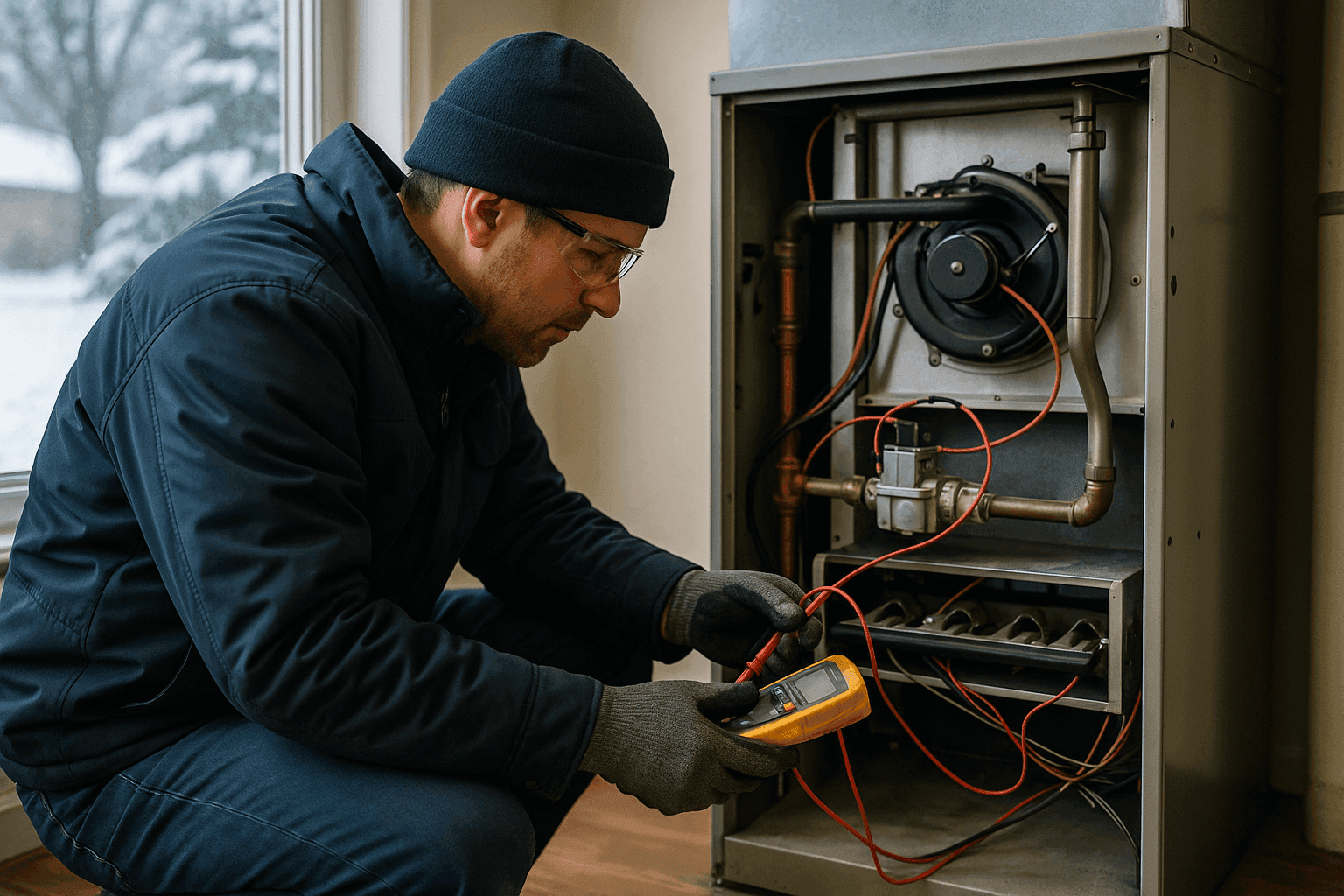
When winter storms roll in, your HVAC system becomes the heart of your home or business. If it fails, comfort and safety slip away fast. We know the stress of a cold snap and a silent furnace—especially at midnight.
At Howell Heating & Air, we help homeowners and small business owners stay warm, safe, and prepared. Here’s how you can get your HVAC system ready for winter emergencies—so you’re not left in the cold.
Why Winter HVAC Prep Matters ❄️
Think of your HVAC system as the shield between you and the winter chill. If that shield is weak, even a small crack can let trouble in. When temperatures drop, heating systems work overtime, and any hidden problem can quickly become an emergency.
Neglecting winter prep can lead to:
- Sudden breakdowns during freezing nights
- Skyrocketing energy bills from overworked equipment
- Health risks from carbon monoxide leaks or poor air quality (see CDC guidance)
- Frozen pipes and water damage
- Costly emergency repairs
A little preparation now can save you a lot of hassle—and money—when the mercury plunges.
Key Maintenance Tasks Before Winter
Ready to winter-proof your HVAC? Here are the must-do tasks before the cold arrives:
Furnace Inspection
Your furnace is the engine of winter comfort. Schedule a professional inspection before the first frost. A trained technician will:
- Check burners and heat exchangers for cracks or corrosion
- Test safety controls and ignition systems
- Inspect for carbon monoxide leaks (per EPA and manufacturer guidelines)
- Lubricate moving parts to prevent wear
Filter Replacement
A dirty filter is like running a marathon with a stuffy nose. Change or clean your HVAC filters every 1–3 months. This keeps air flowing freely and improves indoor air quality.
Thermostat Calibration
An off-kilter thermostat can make your home feel like a rollercoaster—too hot, then too cold. Test your thermostat for accuracy. Consider upgrading to a programmable or smart model for better control and energy savings.
Duct Sealing
Leaky ducts waste heat and money. Seal visible gaps with mastic or metal tape (never duct tape). Professional duct cleaning and sealing can boost efficiency and comfort.
Additional Tips
- Clear vents and registers of furniture, dust, and debris
- Test smoke and carbon monoxide detectors
- Inspect insulation around pipes and in attics
Emergency Signs to Watch For
Not all HVAC problems shout for attention. Some whisper—until they become a full-blown emergency. Watch for these warning signs:
- Furnace won’t turn on or cycles constantly
- Strange noises: banging, screeching, or rattling
- Unusual smells: burning, musty, or rotten egg odor
- Cold spots in rooms or weak airflow from vents
- Thermostat unresponsive or inaccurate
- Sudden spike in utility bills
If you notice any of these, don’t wait. Quick action can prevent bigger problems.
How to Safely Use Heating Equipment 🔥
When it’s bitter cold, it’s tempting to crank up space heaters or use ovens for warmth. But safety comes first. Here’s how to heat your space without risking disaster:
- Never use ovens, grills, or outdoor heaters indoors (fire and carbon monoxide risk)
- Keep space heaters at least three feet away from flammable items
- Plug space heaters directly into wall outlets—never extension cords
- Don’t leave portable heaters unattended or running overnight
- Install and test carbon monoxide detectors on every floor
- Keep furnace and water heater areas clear of clutter
Follow manufacturer instructions and local fire codes. The National Fire Protection Association (NFPA) offers excellent home heating safety tips.
When to Call a Professional
Some tasks are DIY-friendly. Others are best left to the pros—especially when safety, gas lines, or electrical work are involved. Call Howell Heating & Air if:
- Your furnace or heat pump won’t start
- You smell gas or suspect a carbon monoxide leak (leave the building and call emergency services first)
- Breakers trip when the system runs
- There’s visible water leaking around the unit
- You hear grinding, screeching, or banging noises
Our team is ready 24/7 for emergency HVAC calls, even on holidays and weekends.
Practical Tips for Winter HVAC Emergencies
- Keep Howell Heating & Air’s number handy in your phone
- Know how to shut off your furnace, gas, and water in an emergency
- Stock up on extra filters, batteries, and blankets
- Don’t ignore small problems—address them before they grow
FAQ: Winter HVAC Emergencies
How often should I schedule furnace maintenance?
Once a year, ideally before winter. Regular maintenance helps prevent sudden breakdowns and keeps your system efficient.
What should I do if my heat goes out in the middle of the night?
Check your thermostat, circuit breakers, and filters. If you can’t restore heat quickly, call our 24/7 emergency HVAC service right away.
Can I repair a furnace myself?
Simple tasks like changing filters are safe for most people. For anything involving gas, electricity, or internal parts, always call a licensed professional.
How do I know if I have a carbon monoxide leak?
Symptoms include headaches, dizziness, nausea, and confusion. If your carbon monoxide detector alarms, leave immediately and call emergency services.
Special Considerations for Winter HVAC Service
Every building is different. Older homes may need extra attention to insulation, ductwork, and thermostat wiring. Businesses often require larger or more complex systems—don’t delay maintenance, as downtime costs more than just comfort.
If you use generators for backup power, have them inspected and serviced before winter. Poorly maintained generators are a safety hazard and may not start when you need them most.
Stay Warm, Stay Safe
Winter doesn’t wait for anyone. With the right prep, your HVAC system can handle whatever the season brings. If you need help, Howell Heating & Air is always on call.
Call Howell Heating & Air now — or reach us anytime at 888-969-4966 .